About Afterward Archive
Afterward Archive is a reference library that documents how places, systems, and environments change over time, and how those changes alter structural continuity, institutional recognition, and perception.
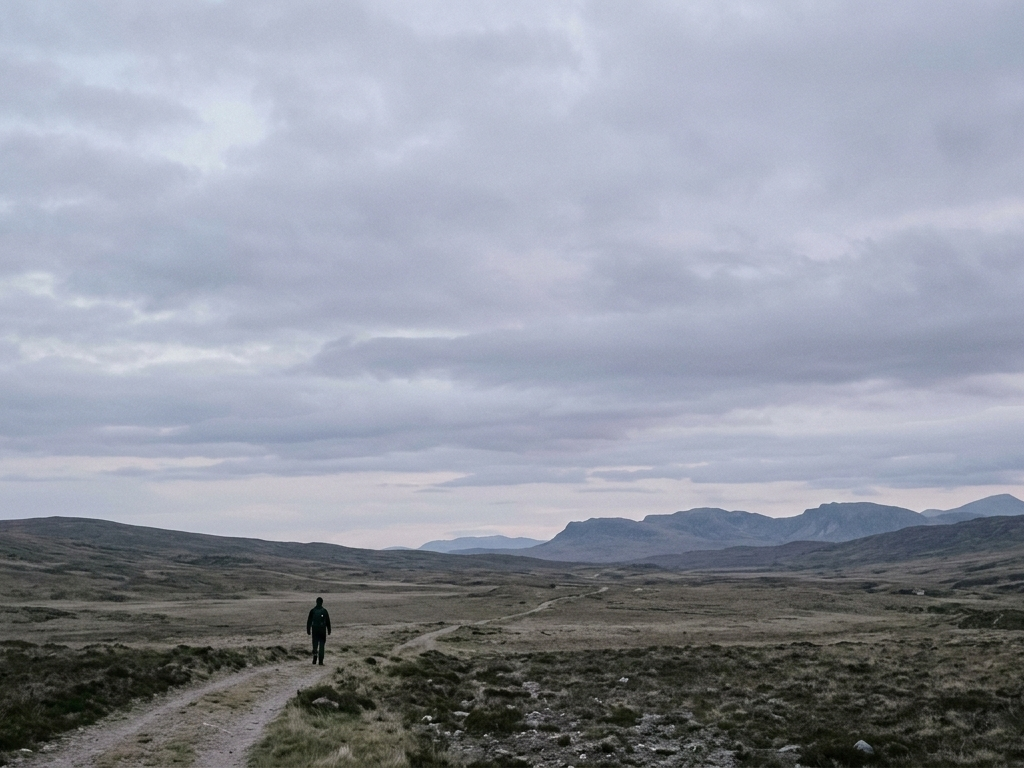
Most structural change occurs gradually. Infrastructure is withdrawn in stages. Administrative recognition shifts quietly. Economic and institutional priorities move elsewhere. Physical structures may remain long after their original function has ended. These processes often unfold without a single defining moment, making them difficult to recognize while they are occurring.
The archive exists to explain these processes clearly and without urgency. Each page describes a specific structural condition, allowing patterns of disappearance, persistence, and continuity to be understood as systems rather than isolated events.
What the archive does
Afterward Archive provides structured explanations of how disappearance and persistence operate across three interconnected layers:
Structural continuity
How infrastructure, governance, and institutional systems sustain or withdraw recognition from places over time.
Material persistence
How physical structures remain after their original function has ended, sometimes continuing in altered form and sometimes remaining unused.
Perceptual continuity
How memory, emotional recognition, and language reflect structural and environmental change.
These layers operate at different speeds. Structural systems may withdraw quickly. Physical structures may persist for decades. Perceptual and emotional recognition may continue even longer. The archive documents how these timelines interact.
What the archive is not
Afterward Archive does not advocate for preservation or intervention. It does not attempt to restore continuity or promote particular outcomes.
It does not present disappearance as failure or preservation as success. Both are structural outcomes shaped by changing systems of recognition, maintenance, and integration.
The archive does not provide guidance, instruction, or recommendations. Its purpose is explanatory rather than prescriptive.
How the archive is organized
The archive is organized into three primary sections:
How Places End
Explains the structural processes through which places lose continuity, including infrastructure withdrawal, administrative erasure, and managed decline.
What Remains
Explains the persistence of physical structures, institutional records, and selective preservation after structural withdrawal.
Understanding Change
Explains how perception, emotional recognition, and language interact with gradual structural and environmental change.
Each page can be read independently or as part of a broader conceptual framework.
Relationship to associated publications
Afterward Archive exists alongside two publishing imprints:
Afterward Press
Documents real-world examples of structural disappearance, persistence, and transformation.
Spark and System Press
Documents the perceptual and emotional dimensions of structural and environmental change.
The archive provides a structural reference framework that supports and contextualizes these publications.
Purpose
The purpose of Afterward Archive is to preserve clarity about how structural continuity changes over time. By documenting these processes in plain language, the archive allows disappearance, persistence, and recognition to be understood as normal features of structural systems rather than as isolated anomalies.
The archive exists as a permanent reference system.
 Afterward Archive